
The U.S. State Department building in Washington on Aug. 12, 2024. Madalina Vasiliu/The Epoch Times
The United States will not send a high-level delegation to Macau, China, for an Asia-Pacific Economic Cooperation (APEC) ministerial meeting focused on tourism, the State Department announced on June 24, citing Beijing’s “discriminatory” requirement for U.S. diplomats.
The Chinese regime requires all U.S. diplomatic personnel to apply for a visa to enter Macau, even in emergency situations. The visa process takes at least five to seven days, significantly limiting the United States’ ability to provide consular services to U.S. citizens, according to the State Department’s travel advisory.
The United States has no consular office in the former Portuguese colony, and all related consular services are handled by the consular general in nearby Hong Kong.
The State Department said the government has repeatedly asked Beijing to lift the “arbitrary and targeted visa requirements” imposed on U.S. government travelers to Macau to offer consular services to its own citizens.
When the Chinese authorities decided to host an APEC meeting focused on tourism in Macau, Washington once again asked the Chinese authorities to address its concerns, “proposing a positive way forward,” a State Department spokesperson said in a statement.
“China, regrettably, rejected our proposal, and instead chose to maintain its discriminatory practice,” the spokesperson said.
Related Stories
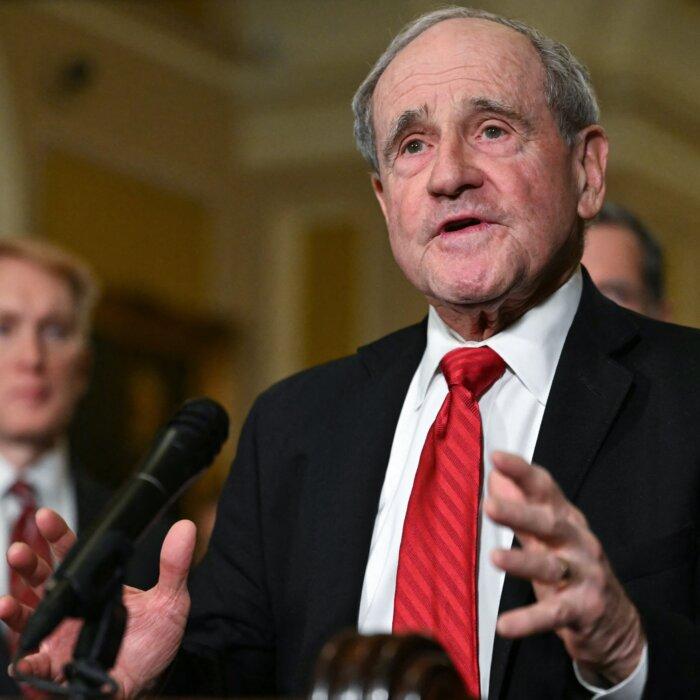
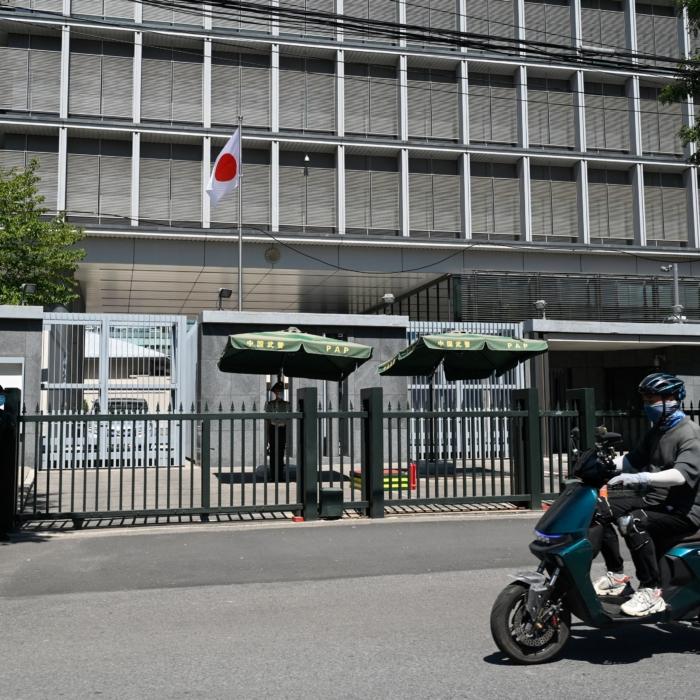
“As a matter of principle, the United States will not send high-level participants to a Ministerial promoting tourism in a location where U.S. diplomats cannot provide emergency services to U.S. tourists in need.”
The APEC tourism ministerial gathering is scheduled for June 27, following a tourism working group meeting starting on June 24, according to the Macau government’s website.
Due to limited capacity to provide emergency consular assistance, the State Department’s travel advisory urges Americans to “reconsider travel” to Macau, the world’s largest gambling hub.
For mainland China and Hong Kong, the State Department’s travel advisory urges U.S. citizens to exercise “increased caution,” citing the risks of “arbitrary enforcement of local laws.”
Earlier this month, Chinese authorities detained a U.S. citizen in Kunming, Yunnan Province, which borders Burma, also known as Myanmar.
U Min Zin traveled to China for a state-sponsored academic conference in which he was invited to speak, the State Department told The Epoch Times last week.
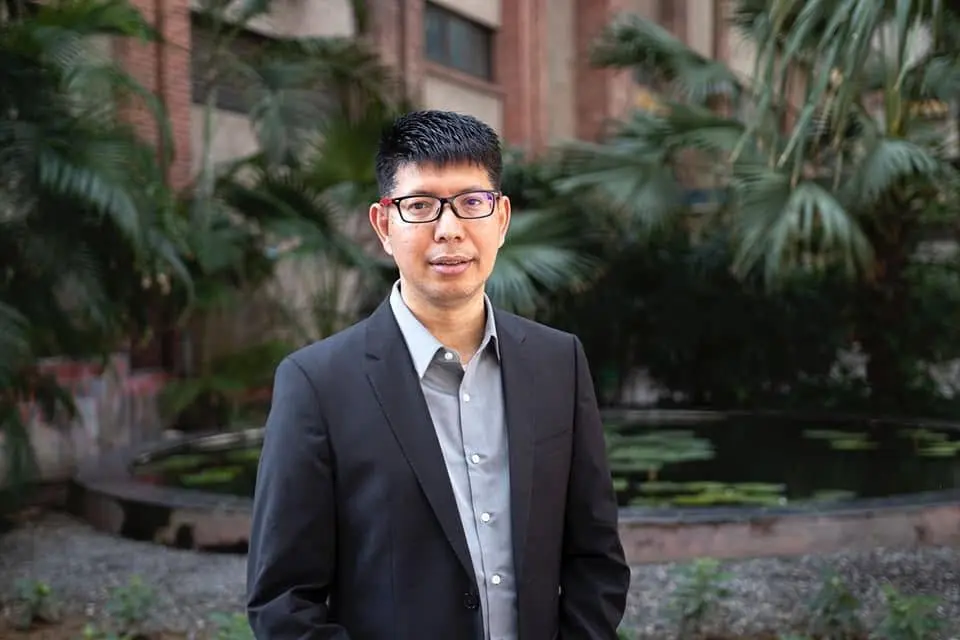
U Min Zin, executive director of the Institute for Strategic and Policy Studies, has been detained in China since early June 2026. Min Zin via Facebook
The Chinese Foreign Ministry claimed that the American scholar was suspected of carrying out espionage activities that endangered China’s national security.
Rep. John Moolenaar (R-Mich.), chairman of the House Select Committee on China, has called for the immediate release of the American scholar and denounced the charges against him as “absurd.”
“American companies should take note that this is how China treats innocent Americans and stop any work they are doing that supports China’s military and oppressive surveillance state,” Moolenaar said in a June 15 statement.
Beijing’s action has reignited calls to address the hostage diplomacy adopted by the communist regime.
“China’s detention of an American citizen is deeply troubling,” Sen. Jim Risch (R-Idaho), chair of the Senate Foreign Relations Committee, said on X on June 22. “The Chinese Communist Party must stop its egregious use of hostage diplomacy and its efforts to export repressive practices.”