
A type 094 Jin-class nuclear submarine Long March 15 of Chinese Navy participates in a naval parade in the sea near Qingdao, in eastern China’s Shandong Province on April 23, 2019. Mark Schiefelnein/AFP via Getty Images
Beijing’s ballistic missile test on July 6 was launched from south-east China, near Taiwan, and travelled around 6,300 kilometres (3,914.64 miles) over several countries before landing south-east of the Pacific island nation of Nauru, Taiwan’s minister revealed.
Australia is about 3,000 kilometres from the projectile’s landing spot.
Fiji’s deal follows that of Papua New Guinea, Vanuatu, Tuvalu, and Nauru—all with Australia—who have taken a new security stance amid ongoing encroachment by the Chinese Communist Party (CCP) in the region.
“The [People’s Republic of China] tested a JL2 #SLBM flying over the #Philippines moments ago. It’s a provocation that destabilises the #IndoPacific. #China just proved itself again to be a bully on the block,” Minister Wu wrote on X.
Related Stories
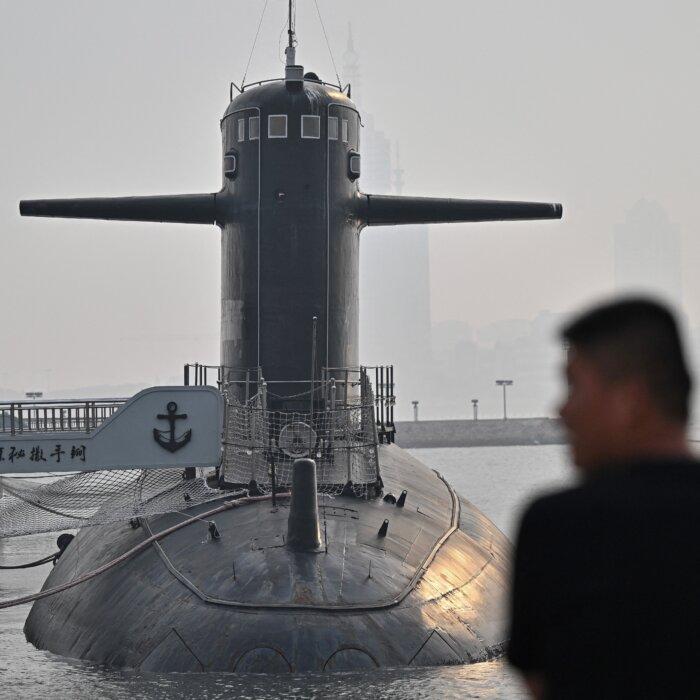
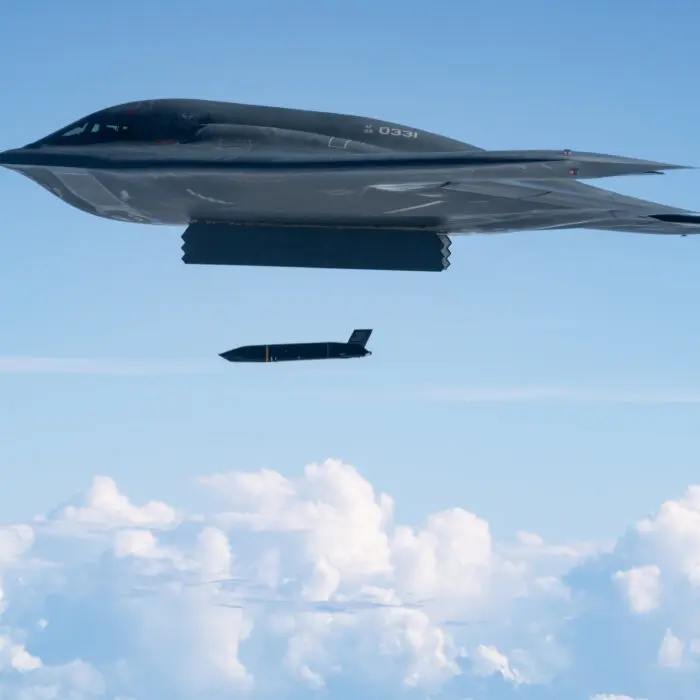
The missile is fired from the Type 094 submarine or Jin-class.
The image also reveals the missile flew past Palau, the U.S. territories of Guam and Northern Mariana Islands, the Federated States of Micronesia, and landed just south of Nauru. The weapon had a dummy warhead.
Defence analyst Linus Cohen of the Australian Strategic Policy Institute said in Suva, Fiji an “odd-looking ship” was present with every kind of “antenna, radome, and satellite dish.”
“For a Chinese test of a strategic missile—that is, one designed for full nuclear war—Monday’s was unusual in flying the weapon over a realistically long distance. The missile didn’t fly steeply to ensure it would fall close to its launch site. Instead, it flew at a shallower, more normal angle. And Yuan Wang 5 was on hand for the occasion.”
The South Pacific has been a hotbed of competition between democratic countries and Beijing.
Some Pacific leaders, like Fiji’s Prime Minister Sitiveni Rabuka have been critical of Beijing’s presence, even ousting Chinese police officers from his country’s law enforcement agencies citing concerns it could undermine the democratic functions of his country, according to the Australian Broadcasting Corporation.
Beijing often deploys police as a means of building influence and a local presence in smaller nations. In fact, despite signing a deal last week with Australia, Vanuatu authorities maintain an ongoing allocation of CCP law enforcement.