
Police keep watch outside the West Kowloon Magistrates’ court in Hong Kong on Jan. 12, 2026. Peter Parks/AFP via Getty Images
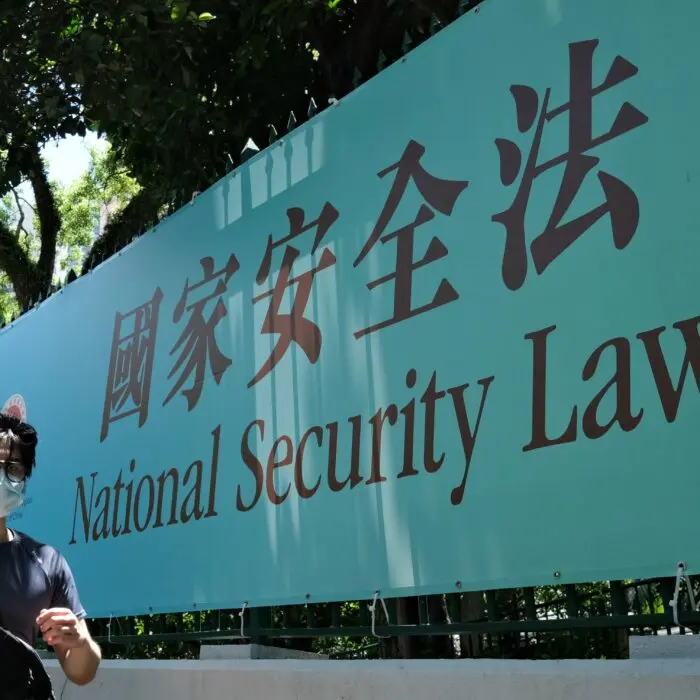
A Hong Kong court has handed down a one-year prison sentence to a Falun Gong practitioner under the city’s 2024 national security law, accusing him of criticizing the Chinese communist regime and its forced organ harvesting on social media.
In response to the ruling, the U.S. State Department noted the Chinese authorities’ ongoing efforts to silence critics and curtail basic freedoms through security laws in recent years.
“Beijing and Hong Kong authorities continued to use broad national security laws in 2025 to undermine the rule of law and civilians’ protected rights and freedoms, as well as engage in acts of transnational repression,” a State Department spokesperson told The Epoch Times in a statement.
According to a court document, Chong published 53 Facebook posts that the court said have “seditious intentions” from March 2024 to November 2025.
Related Stories
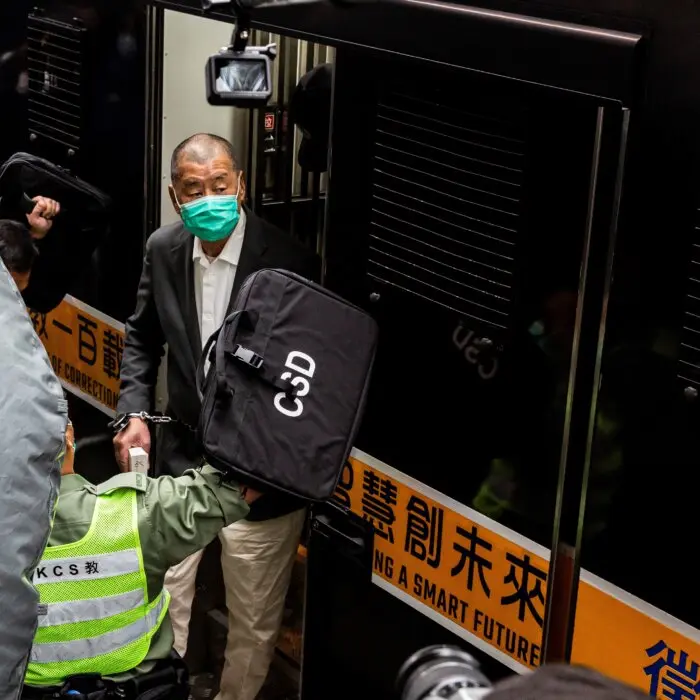
Chong admitted that the Facebook account, called Holy Raymond, belonged to him but argued he was simply exercising his freedom of speech. He told the court that his Facebook posts aim to raise awareness of “the CCP’s wrongdoings,” according to the court document.
The posts that the prosecutors cited contain wording such as “only by ending the CCP… can China and the Chinese people have real hope,” and “the CCP’s killing of Falun Gong practitioners for organs is widespread,” according to local media outlet The Witness.
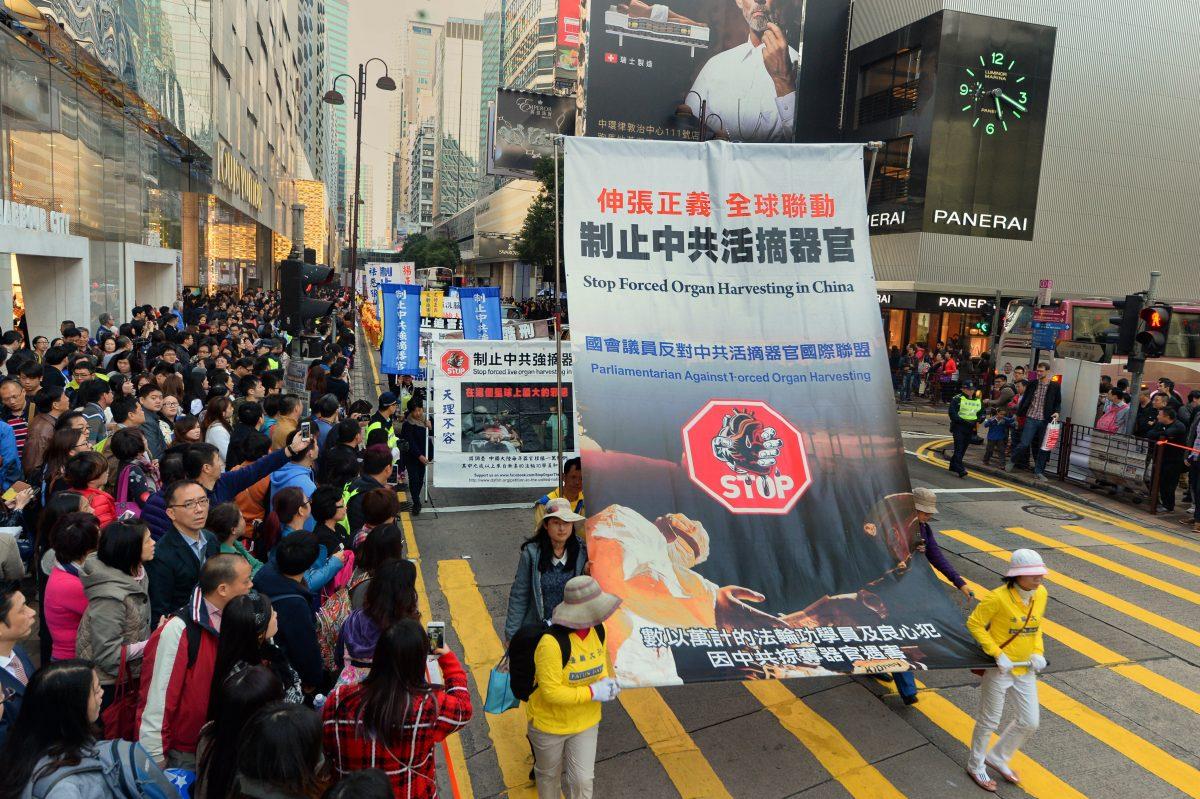
Falun Gong practitioners hold a banner that reads “Stop Forced Live Organ Harvesting” during a march through the business district of Tsim Sha Tsui on Hong Kong’s Kowloon Peninsula on Jan. 17, 2015. Song Pi-lung/The Epoch Times
The traditional Chinese spiritual discipline, also known as Falun Dafa, has been brutally persecuted by the CCP since 1999, after the practice had attracted upwards of 70 million Chinese for its moral philosophy and uplifting health benefits. Its surging popularity drew the ire of Jiang Zemin, then Party leader, who viewed it as a threat to his authority and ordered its eradication.
Such efforts in Hong Kong have come under growing pressure since the CCP imposed a sweeping national security law six years ago, which makes anything the regime considers as secession, subversion, terrorism, or collusion with foreign forces punishable by up to life imprisonment.
Since then, Hong Kong police have arrested 385 people on suspicion of activities endangering national security, with more than half being charged, police chief Joe Chow told a legislative council on Feb. 10. That figure includes those arrested under the Beijing-imposed national security law and Article 23.